

This post may contain affiliate links. Please read our full Disclosure Policy.
How to organize your kitchen is one of the simplest ways to make your home feel calmer and your daily routines run more smoothly. When everything has a place and clutter is kept under control, cooking, cleaning, and gathering with family become so much easier. If you’re eager to simplify, declutter, and transform your kitchen into a space you adore, you are in the right place.
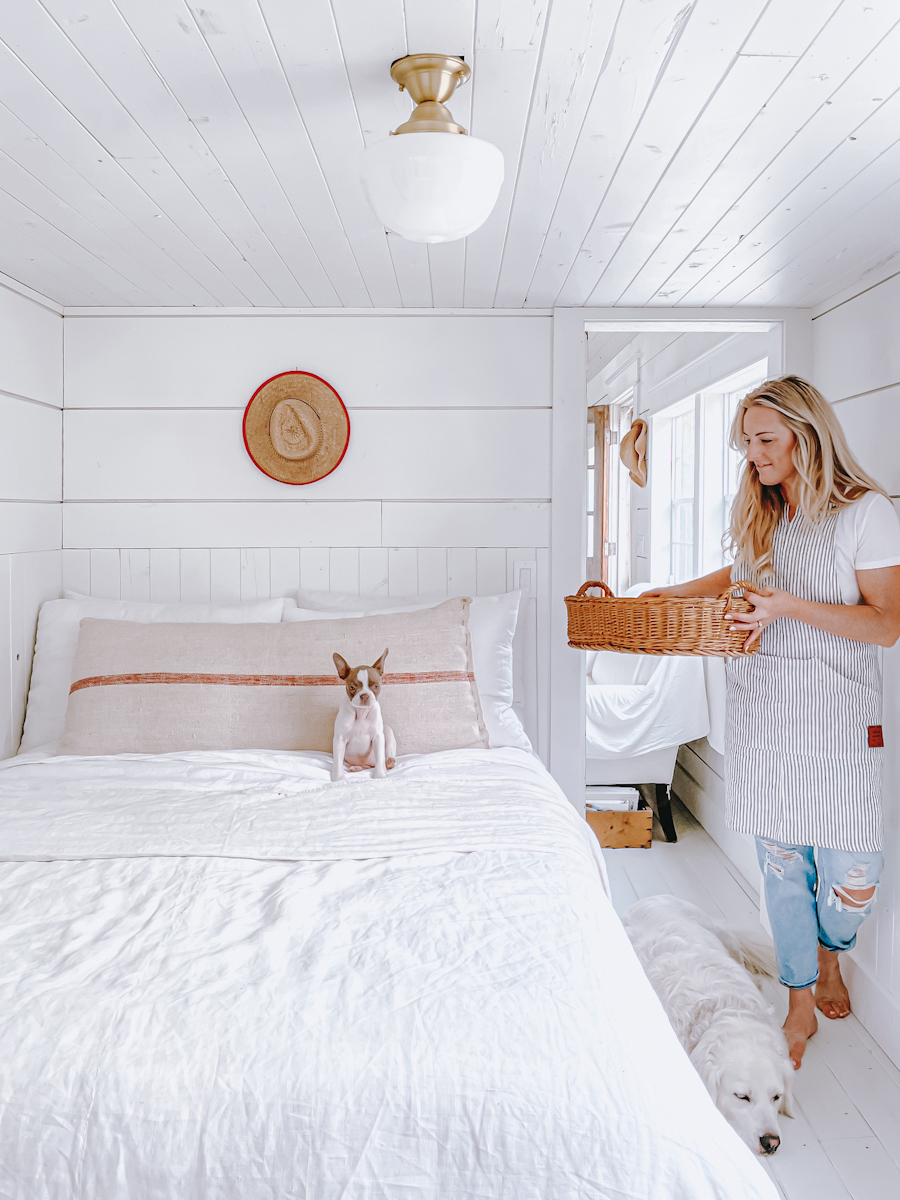
Years ago, our family began simplifying our home room by room, and the kitchen was one of the first spaces we tackled. Around that same time, we had just finished building our tiny house cabin, and after seeing how little was actually needed for that kitchen to function well, it completely changed how I looked at the kitchen at the historic house.
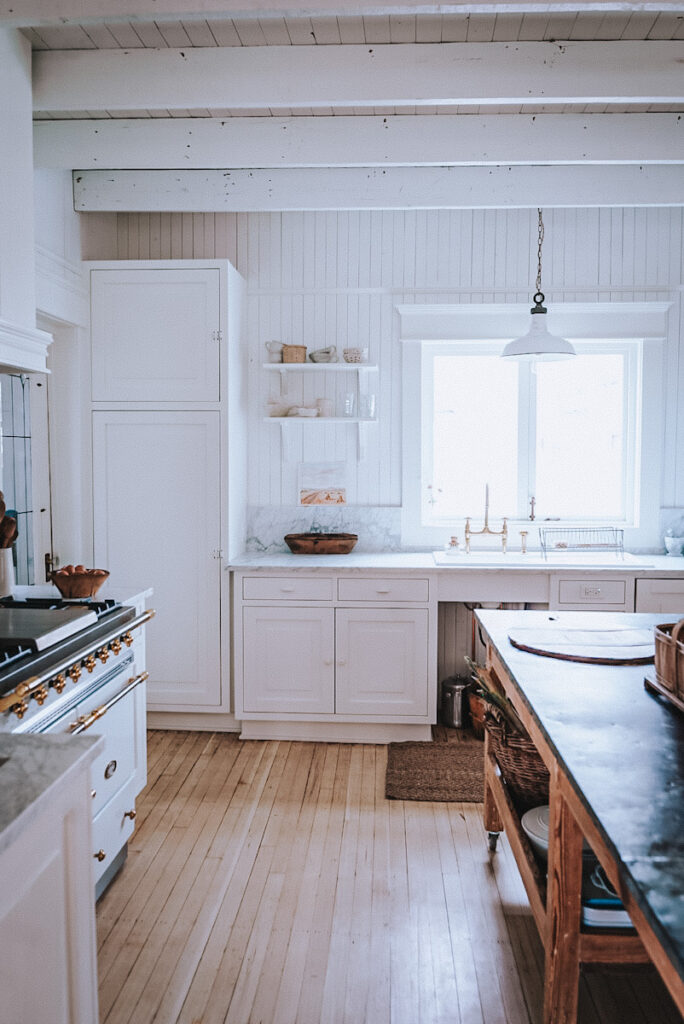
In this guide, I’ll walk you through how to organize your kitchen step by step, from decluttering cabinets to simplifying countertops so the space stays organized long term.
Simple Kitchen Organization
The tiny kitchen worked beautifully because it was simple, intentional, and organized.
That experience inspired me to simplify our main kitchen as well. Instead of filling cabinets and drawers with things we rarely used, I focused on creating a space where everything had a purpose and was easy to access.
Over the years, that mindset has shaped not only how I organize my kitchen, but how I approach the entire home. A clean and organized space really does make a difference. I truly believe that when your home feels calm and manageable, your mind feels clearer too. I talk more about this connection between your home environment and your wellbeing in my post about creating a happy home.
Many of the same systems I use here also work in other areas of the home. The same approach helped me organize our linen closet, design our small outdoor kitchen, and simplify storage throughout the house using these small space organization ideas.
Why Simplify and Organize The Kitchen
As a busy mom juggling various roles like lifestyle and food blogging, managing interior design clients, and cooking for my family, I spend a lot of time in the kitchen. The kitchen is the heart of the home, where I create recipes, take food images for the blog, and cook for my loved ones. It can really make or break a daily routine if a kitchen is poorly set up or you are overwhelmed every time you enter this space.
I’ve learned that a simple, well-organized kitchen makes life easier and cooking more enjoyable. While my kitchen isn’t always perfect, I’ve discovered organization systems that help to keep it clutter-free and efficient.
Keeping an organized kitchen helps:
- Save time by making it easier to find ingredients and kitchen utensils.
- Streamline meal preparation and cooking processes.
- Help reduce everyday stress and create a calm and peaceful environment for cooking.
- Saves money as an organized kitchen reduces food waste by preventing items from getting lost or forgotten.
- Helps avoid duplicate purchases by keeping inventory visible.
- Reduces the risk of accidents by keeping walkways clear, kitchen counter clutter-free, and dangerous items stored away.
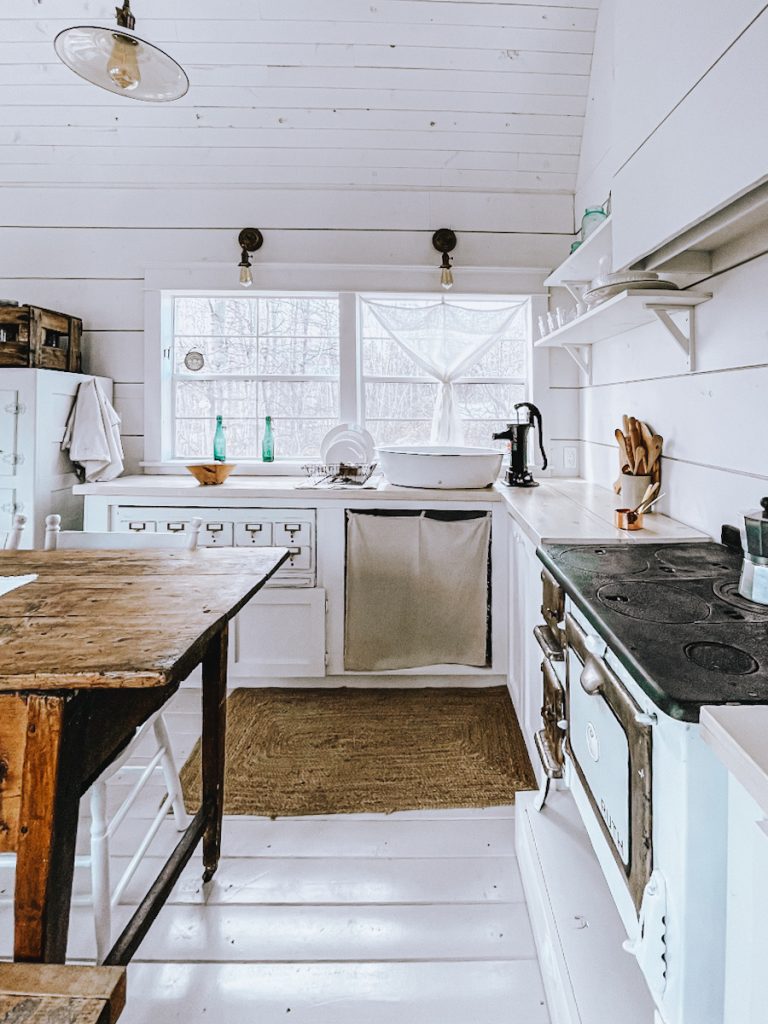
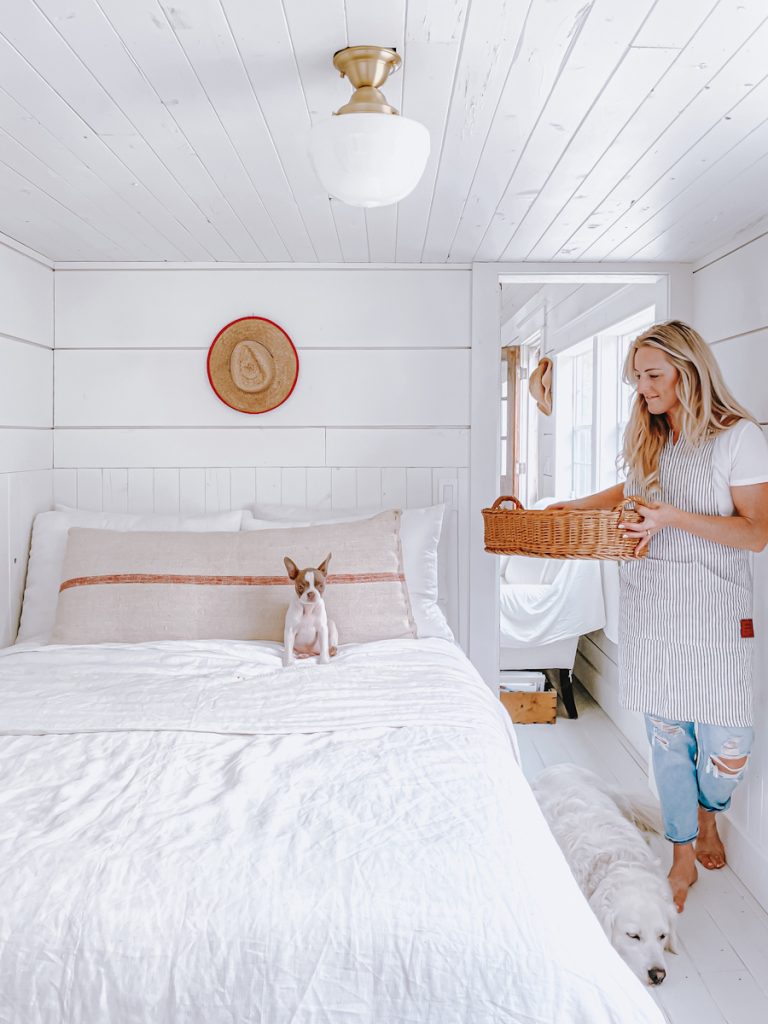
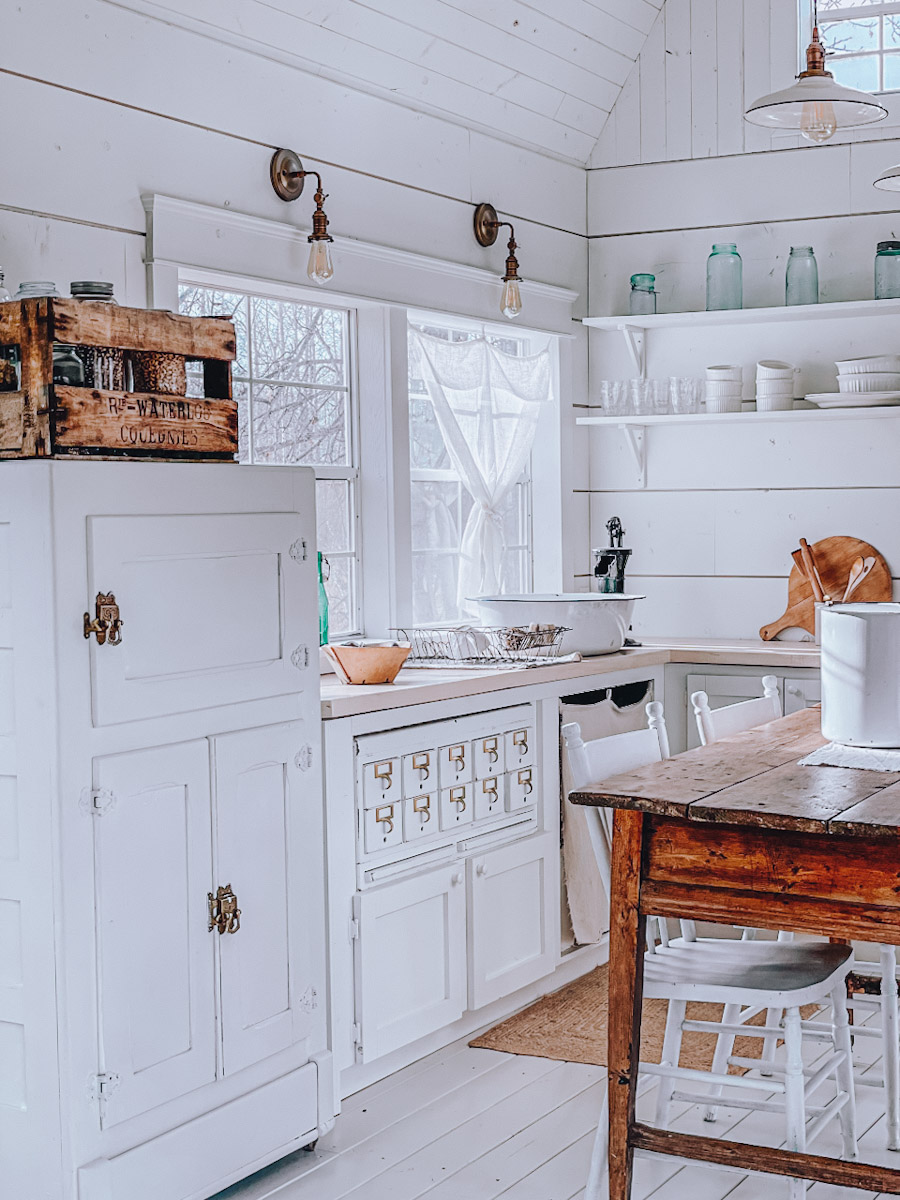
This is my tiny house kitchen, which I keep very minimal and organized at all times. This allows this small space to function well, and feel calm whenever we are there.
Our renovated kitchen and tiny home kitchen is painted Oxford White by Benjamin Moore, and keeping the space simple and organized helps the room feel bright, calm, and easy to maintain.
How To Organize Your Kitchen
Learning how to organize your kitchen doesn’t require a full renovation or a cart full of fancy storage gadgets. Most of the time, it simply comes down to simplifying what you keep and creating a few easy systems that make everyday life run more smoothly. Start by clearing out cabinets and drawers, grouping similar items together, and giving every kitchen tool a proper home. Baskets, jars, and simple drawer organizers can make a big difference by keeping everything tidy and easy to find. Once your kitchen is organized in a way that actually supports how you cook and move through the space each day, meals feel easier to prepare and the whole room naturally stays cleaner and far more enjoyable to spend time in
Make A Plan
Is your kitchen feeling cluttered and chaotic? If the answer is yes, then it is time to simplify and streamline. Before you can truly start to simplify your kitchen, you need to make a plan.
Your kitchen needs to work for you! When you’re simplifying your kitchen, it’s all about focusing on what works best for you and your unique lifestyle. Take a moment to think about what you really need and love to have in your kitchen.
Let’s begin by asking these three questions to help guide your kitchen decluttering process:
- What are the primary sources of clutter in your kitchen? Begin by identifying the types of clutter in your kitchen. Pinpoint the problem areas that need attention, such as paper accumulation on countertops or overcrowded cabinets. Developing solutions for these specific clutter types will help prevent future buildup.
- What areas of the kitchen are not being used well? Try to maximize underutilized spaces by taking stock of areas in your kitchen that aren’t optimized for efficiency. Consider how you could repurpose or reorganize these spaces once they’re decluttered. For instance, unused corners might be transformed into storage nooks or functional workstations.
- Can your kitchen layout be more organized and efficient? Optimizing organization and efficiency in the kitchen will improve the overall flow of this space. Evaluate your kitchen layout and assess whether items could be better positioned for improved organization and workflow. Moving frequently used utensils closer to the cooking area or storing bulk ingredients in easily accessible containers can enhance efficiency and streamline your cooking process.
Declutter Before You Organize Your Kitchen
I am a big fan of checklists and timers when simplifying a space. These both help simplify decluttering and organizing and ensure that you don’t get overwhelmed or burned out by the project.
How To Use a Timer
I don’t know about you, but there are always so many other things I would rather be doing than decluttering and organizing. I can get easily distracted when I tackle an organizational project. Using a timer when decluttering your kitchen can help you stay focused and maintain momentum.
- Decide on a manageable time interval for your decluttering sessions, such as 15, 30, or 60 minutes, depending on your schedule and energy level. Then, begin the decluttering session by setting the timer. This creates a sense of urgency and helps you stay on track.
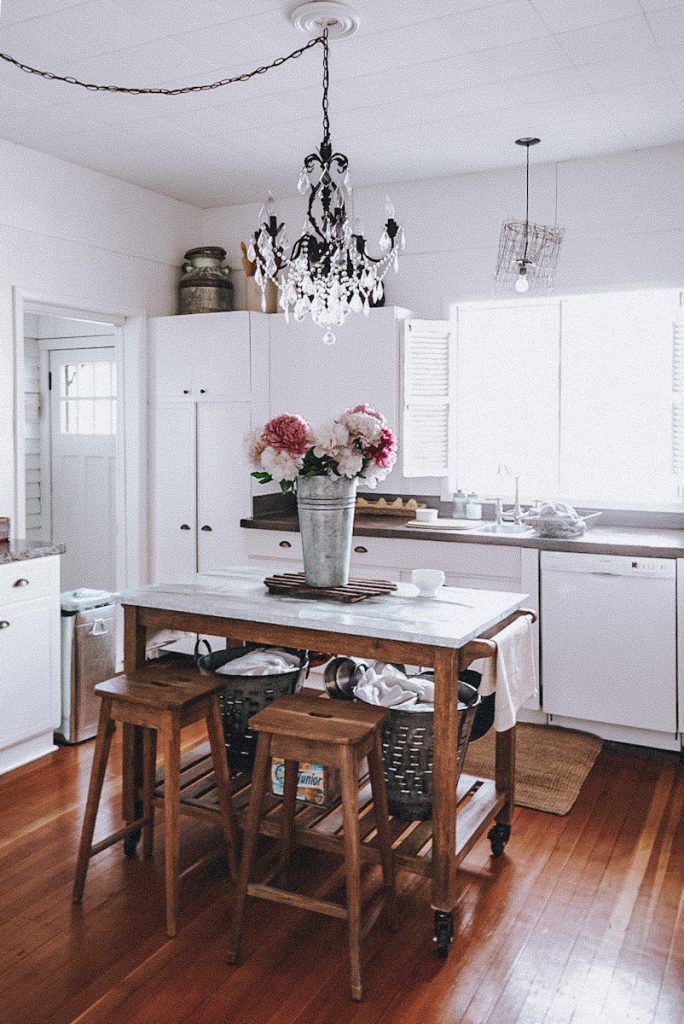
- During each timed session, focus on decluttering specific work areas or small spaces of the kitchen, such as counter space, kitchen island, upper cabinets, or pantry space.
- Remember to take short breaks. When the timer goes off, take a short break to rest and recharge before starting another decluttering session.
How to Organize Kitchen Cabinets and Drawers
This simple kitchen organization checklist will help outline the basic steps to tackle your kitchen easily and allow you to have a perfectly organized kitchen when you are done.

What You Will Need
Tackling a project like the kitchen is much easier when you are prepared. A few tools and supplies you can have on hand will make this process so much easier:
- Boxes or bins for sorting items
- Trash bags for disposing of unwanted items
- Cleaning supplies (all-purpose cleaner, disinfectant wipes, etc.)
- Microfiber cloths or paper towels for cleaning surfaces
- Label maker or sticky labels for organizing containers
- Donation box or bag for items to be donated
- Recycling bin for recyclable items
- Marker for labeling boxes or bins
- Timer or clock to track decluttering progress
- Kitchen Organization Checklist



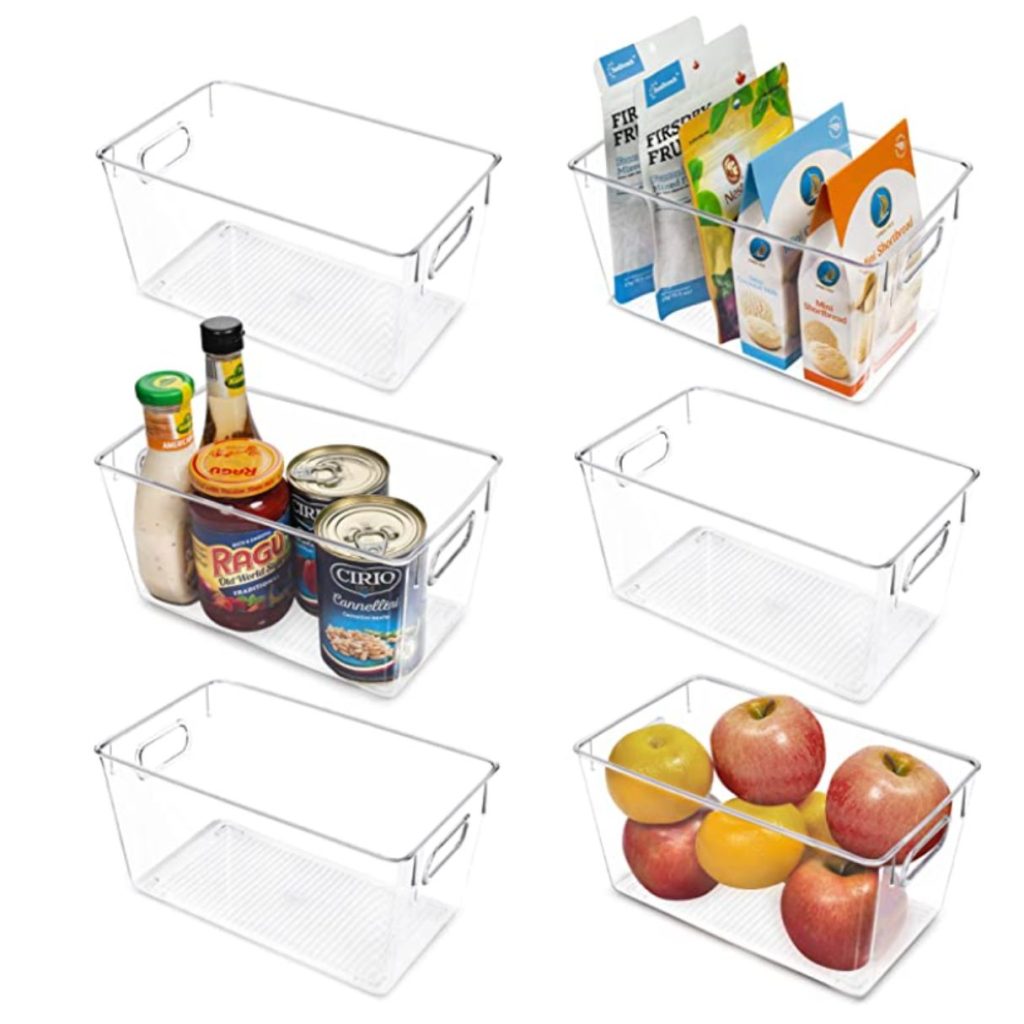
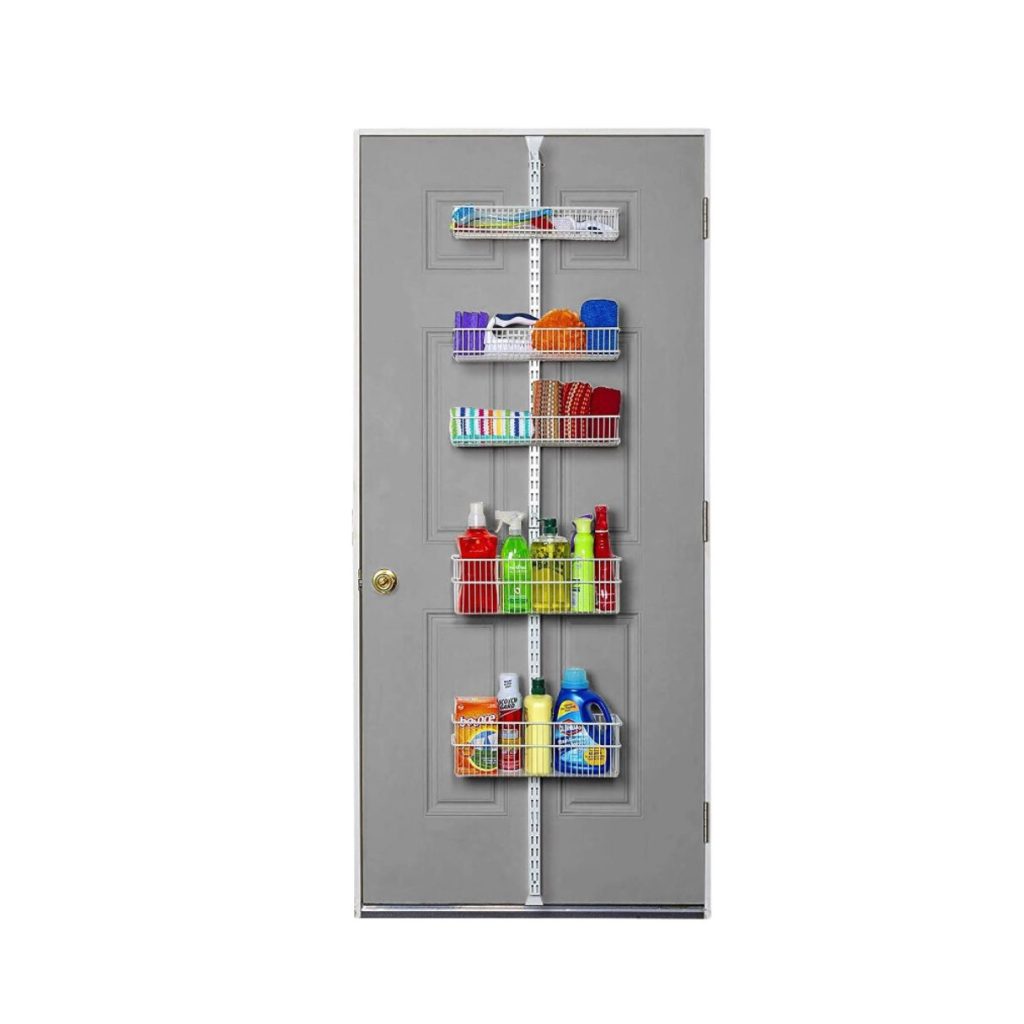

Keeping an organized kitchen also becomes much easier when you have a simple cleaning routine in place. I like to keep a natural homemade all-purpose cleaner on hand for wiping down counters and surfaces throughout the day. Over time, I’ve also transitioned to using more eco-friendly home cleaning products, which help keep the kitchen fresh without filling the space with harsh chemicals.
Declutter First
Now that you have a plan and the tools you need to move forward, the first step is to declutter! Empty the space completely. Whether you’re tackling the entire pantry or just a section, start by removing everything and sorting through your items.
Then let go of any guilt, obligation, or sense of duty when it comes to keeping things in your kitchen. Be honest and realistic about what you actually use, need, and love, and clear out anything that doesn’t belong in those categories!
When you begin decluttering and organizing the kitchen, I recommend using the Keep, Toss, and Donate system. This process will help you decide what to keep and what to discard. Set out a bin for each category and then begin going through items.
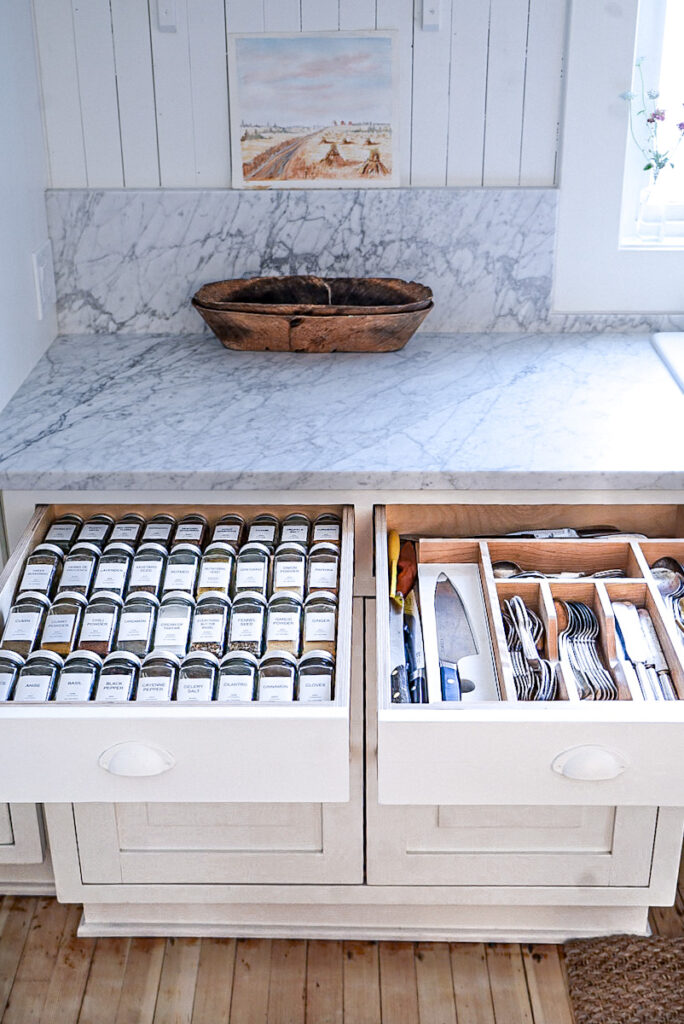
Do you really need three sets of measuring cups or four mixing bowls? Keep only the essentials and items that you use regularly.
Decluttering Questions
A few questions to ask yourself about each item when you begin sorting and purging are:
- Do I use this item regularly?
- Do I love or enjoy using this item?
- Does this item serve a practical purpose in my life?
- Is this item in good condition, or is it damaged or broken?
- Do I have multiples of the same item that I could do without?
- Am I keeping this item out of guilt, obligation, or sentimentality?
- Can I easily replace or borrow this item if I need it in the future?
Remember to be thoughtful and intentional in your decluttering process, and don’t be afraid to let go of items that no longer serve you. This will not only clear out clutter but also make it easier to find what you need when you need it.
I used to have an extra set of dishes that were only used for special occasions until we decided to simplify our kitchen. Now, we use those dishes daily, and it feels great to have gotten rid of the doubles and to be making memories with them.
Rethink The Layout
Take a fresh look at the layout of your kitchen. Are there any areas that feel cramped or inefficient? Rearranging your small appliances, kitchen cabinets, and furniture can open up some prime real estate in the kitchen and even optimize the flow.
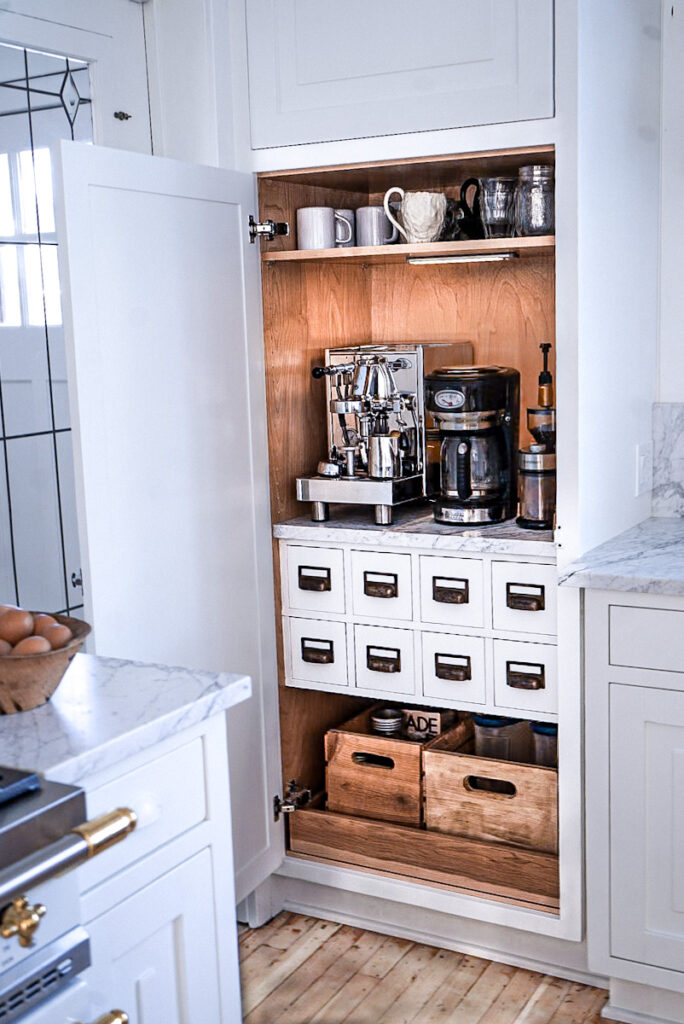
Store “like” items together, like baking supplies, or dedicate a barista corner with all of your supplies for coffee, tea, and more. You might be surprised at how much more functional your space can become with a few simple adjustments.
Eliminate Packaging and Boxes
Bulky packaging not only takes up more space but also looks messy and cluttered in the kitchen. Investing in containers to hold your everyday food items can make a difference in how cluttered your kitchen looks and feels.
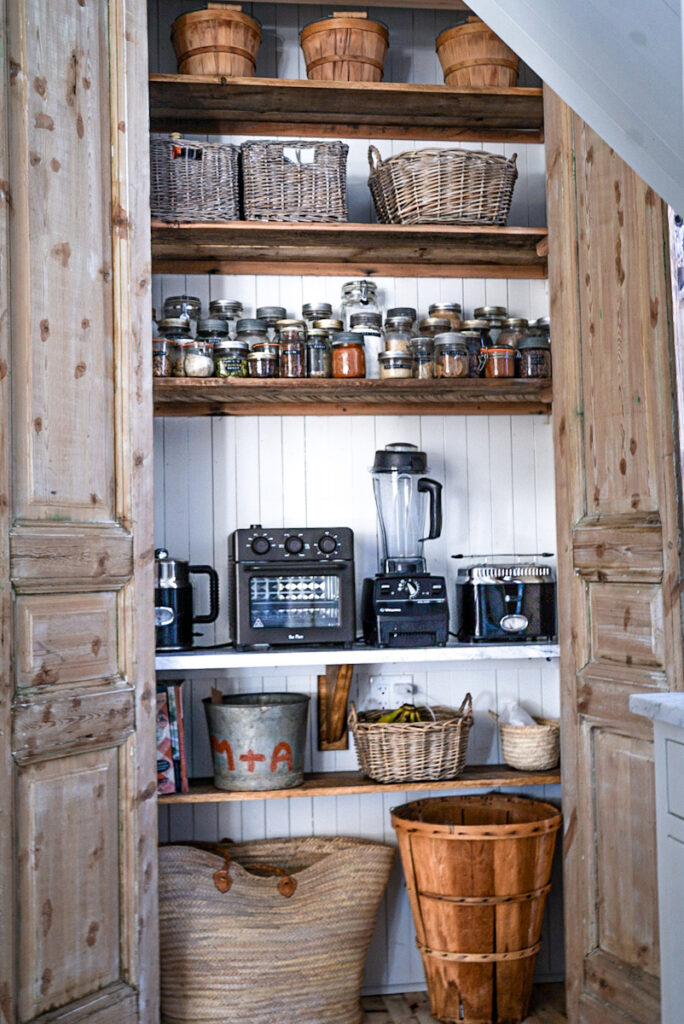
Mason jars or plastic food storage containers are great options when you are trying to simplify your kitchen. Try finding containers that maximize the vertical space in your cupboards. Using a clear or transparent container will also help you keep an inventory of what you need more of when you are writing your grocery list.

Baskets and bins are your best friends when it comes to kitchen organization. Use them to corral similar items, such as baking supplies, snacks, or cleaning supplies.
Label each basket or bin for easy identification and access. This simple storage solution can help keep your cabinets and pantry neat and tidy.
Use Containers and Storage to Organize Your Kitchen
Invest in cupboard and kitchen drawer organizers or behind-the-door storage to maximize the space in your cabinets. Drawer dividers, shelf risers, and spice racks can help make the most of vertical space and keep everything organized and accessible. With the right organizers, even the smallest of cabinets can become functional storage solutions.

Try to think outside the box with this one. Is there a pantry door that could double as storage space? Vertical space can add a ton of additional storage in the entire kitchen. Perhaps you can add a spice rack inside the glassware cupboard or add hooks on the wall for easy access to cooking utensils.
How to Organize Your Kitchen Counters
Counter clutter is probably the biggest cause of overwhelm in the kitchen space. Keeping counters clear can produce a more useful, organized, and efficient workspace and make your kitchen feel more spacious and inviting.
So, what is a good rule for keeping objects on the countertops? Only keep the essentials. These can be items you use on an everyday basis or that you love the look of, such as your coffee maker or espresso machine, or a few practical items that look decorative, too.

Take a hard look at your small kitchen appliances, as they can consume significant countertop space. Some are indispensable, while others merely clutter countertops or cupboards.
Start by identifying appliances with overlapping functions. For instance, if you own both a blender and a food processor, consider whether you truly need both for your daily needs. When not in use, store bulky appliances like blenders, toasters, and mixers in cabinets or on cupboard shelves.
Display Practical Pieces
Choosing to display practical pieces that serve both a functional and aesthetic purpose is extremely beneficial in organizing your kitchen, especially if it is a small space. Hang pots and pans from a rack above your stove, display cutting boards on a wall-mounted rack, or showcase your favorite cookbooks on open shelves.
I try to invest in beautiful items for my kitchen that are not only nice to look at but also very practical for the space. The key is to purchase quality over quantity.
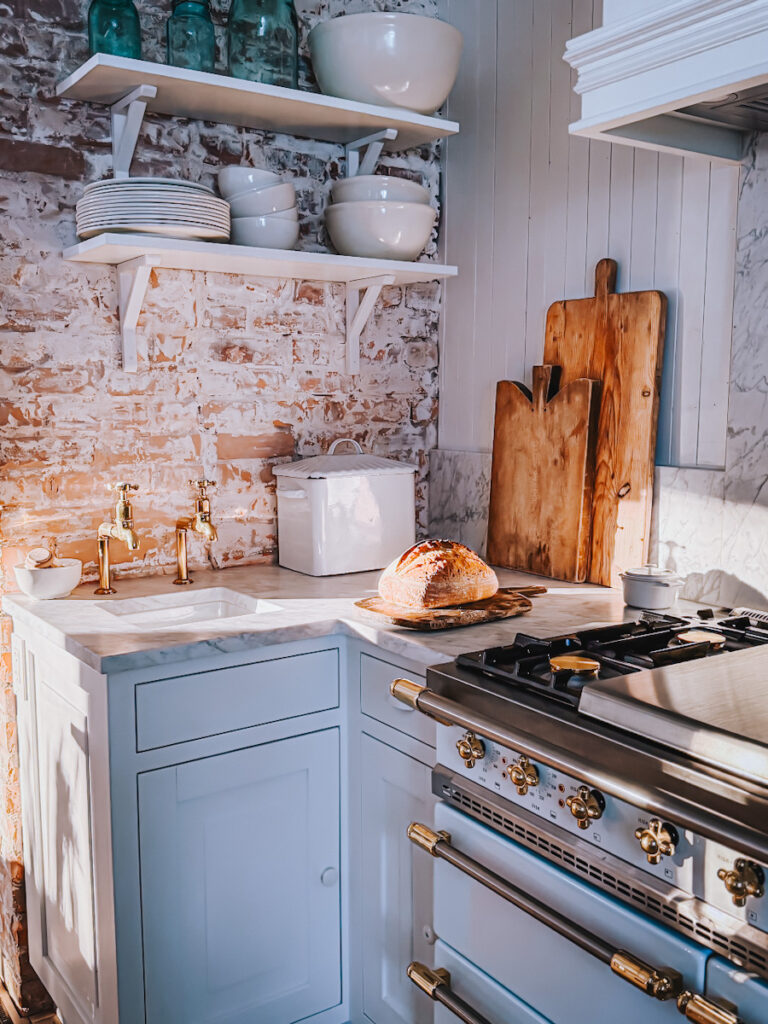
For years, I have been collecting beautiful, one-of-a-kind kitchen tools and antique items, like my vintage cutting board, which I love to look at when displayed. You can find some of my favorite items in the Shop.
Find A Home For Everything
Finally, but probably most importantly, find a home for every item and always return it to that home after you use it. This simple habit helps maintain organization and prevents clutter from accumulating on countertops or cabinets. Dedicating a spot for every item will make for a fast clean-up and keep everything organized.
This doesn’t just work for the kitchen; trying this simple habit will make a big difference throughout your home. It really works to have a place for everything and everything in its place.

One of the things that has helped me keep our kitchen both organized and beautiful is displaying practical pieces that also serve a purpose. A great example of this is a kitchen hutch. A hutch provides additional storage while allowing you to display everyday dishes, bowls, or favorite kitchen pieces in a way that feels warm and inviting. I love using ours to store items we reach for daily while also showcasing a few vintage pieces that add character to the room.
Create a Cleaning Routine to Maintain an Organized Kitchen
Now that you have done the big job of decluttering and learned how to organize your kitchen, what steps can you take to keep it this way? All too often, a person does the work to declutter, but the space slowly creeps back to being full of clutter and overwhelming. You can add a few simple systems to your kitchen to keep it looking clean and clutter-free.
Simple Organizational Systems
- Clean Up Everyday. The simple act of tidying your kitchen at the end of every day will make a huge difference to the longevity of an organized space. Wash dishes, wipe down countertops, and sweep the floor as you cook to prevent the buildup of dirt and clutter. It will probably only take 5 to 15 minutes a day, but it will be time well spent.
- Return each kitchen item to its “home” after every use.
- If Something New Comes In, Something Old Goes Out. This simple system doesn’t just work for the kitchen; it is a classic for all areas of the home and helps minimize collecting too many items.
- Only Keep What You Use. Schedule decluttering sessions on a regular basis to assess items in your kitchen and discard or donate anything you no longer need or use. If you haven’t touched it for over a year, do you really need to keep it, just in case?
- Stay Flexible. Be open to adjusting your organization system as needed to accommodate changes in your lifestyle or kitchen layout. Do what works for you!
One thing I’ve learned over the years is that kitchen organization often improves when we start simplifying other areas of the home as well. Once you begin clearing clutter and creating systems in one room, it naturally spreads to the rest of the house. The same approach I used in our kitchen is very similar to the process I share in linen closet organization, where simplifying storage and grouping similar items together made the entire space much easier to maintain.
More Organization Help
Declutter Your Home 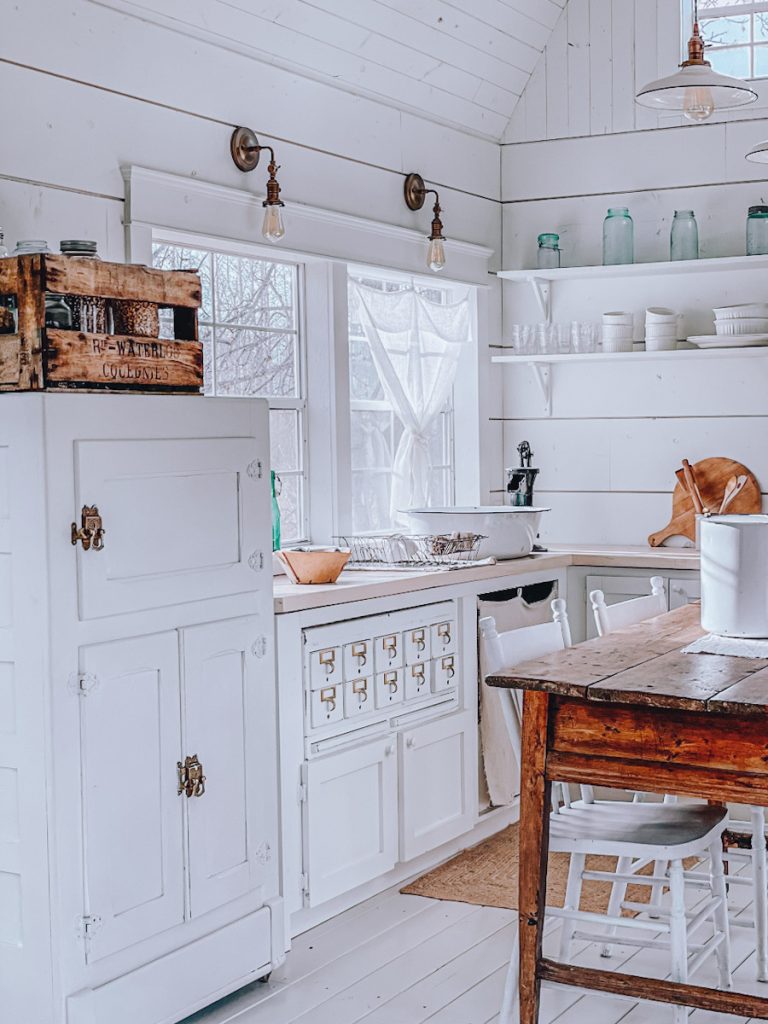
Small Space Organization Ideas 
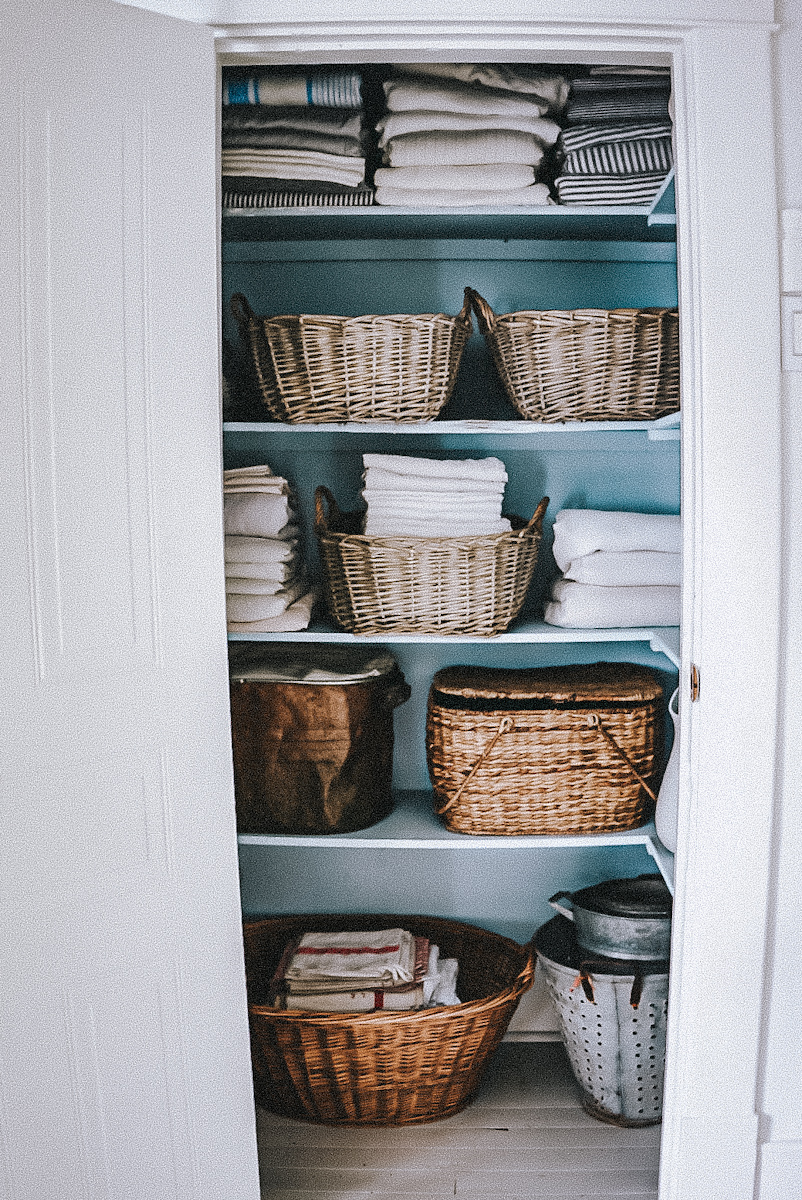
Linen Closet Organization 
Adding Hygge at Home
- How To Declutter and Simplify Your Home
- 10 Small Space Organization Ideas
- Linen Closet Organization Guide
- Hygge Style: Creating Cozy Spaces at Home
Your Questions About Organizing Your Kitchen
I always like to recommend that when deciding where to put things in your kitchen, you consider placing frequently used items in easy-to-reach areas like lower cabinets or countertops while reserving higher or less accessible spots for items you use less often. Group similar items together and organize them based on workflow to make cooking and meal preparation easier.
Start by making a plan for decluttering and making changes in your kitchen. Rethink the layout of larger items, remove duplicates and items you no longer need or use. Then, organize items into categories and designate specific homes for each group to create a more functional and tidy space.


My kitchen has these really deep drawers that don’t pull out 100% because the cupboards aren’t very deep. I also have one of those silly corner lower cabinets beside the stove that you can hardly get in, but it’s so deep if anything goes back too far you’ll lose it. Any tips on organizing in kitchens that maybe are the most functional layouts.
I’ve tried clicking on your links for Amazon, but they’re all American. I follow you because you’re Canadian and I love supporting Canadian business. Am I missing your Canadian Amazon?
Thanks so much for your help,
BC . Gramma
Thank you so much for the message, Trish. That sounds very frustrating about a few of your cabinets. Do you think that slideouts I used in my kitchen would work? I love that I don’t have to reach in for anything and nothing seems to fall out the back. The Canadian links for most of the items are found here. https://urlgeni.us/amzn/Kitchen-items-CND