

This post may contain affiliate links. Please read our full Disclosure Policy.
Hydrangea care can feel a little tricky at times, but oh, it’s so worth it! These gorgeous, big bloomers are truly one of the most beautiful flowering plants to grow—whether you’re tucking them into a sunny garden bed or enjoying them in a pot indoors.
Here in Alberta, Canada, our climate isn’t exactly the easiest for hydrangeas, but over the years, I’ve learned a few tips and tricks that keep my plants healthy and blooming season after season.
If you’ve ever wondered how to properly water, prune, fertilize, or even winterize your hydrangeas, you’re in the right place. Let’s walk through everything you need to know about hydrangea care, along with the best varieties for our colder zones.
In This Guide
Hydrangea Basics
A few things to know before diving into hydrangea care:
- Start with a larger plant. Bigger starter hydrangeas tend to establish faster and give you blooms sooner (and many garden centers offer a one-year guarantee on these investments).
- Hydrangeas love water. You’ll want to pay extra attention to watering in the first year.
- Sun and protection matter. East or west-facing spots work best, with shelter from harsh winds.
- Soil makes the difference. Hydrangeas love rich, well-drained soil, especially when first planted.
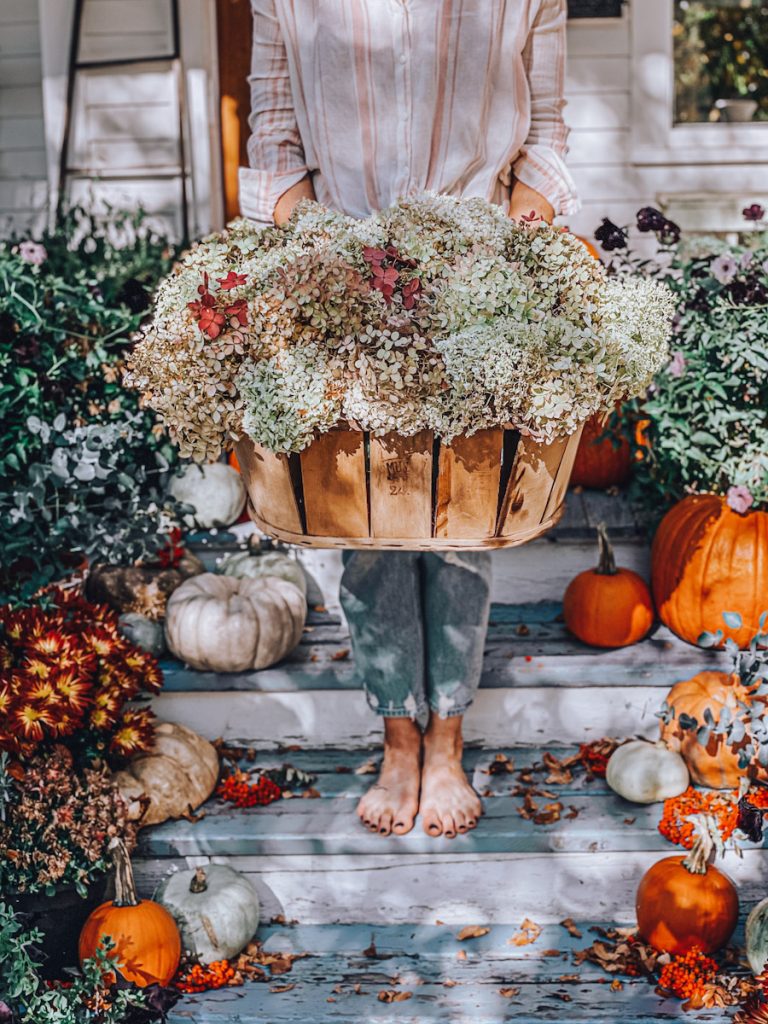
Watering Tips for Hydrangeas
The number one rule of hydrangea care? Never let them dry out.
For outdoor and indoor potted hydrangeas, keep the soil consistently moist—but not soggy. I’ve found that watering at the same time each day helps keep the plants happy.
For potted hydrangeas indoors: Place a tray under the pot and water daily. The roots will soak up moisture from below, which prevents overwatering and keeps the plant thriving.
For hydrangeas in the garden: Water deeply every day during the first year. After the plant is established, you can switch to watering every 2–3 days. Mulching around the roots helps hold moisture and keeps the plant cool in summer.
Fertilizing Hydrangeas
Healthy hydrangeas love a good boost!
- Indoor hydrangeas: Fertilize every two weeks with an all-purpose fertilizer to keep them blooming longer.
- Outdoor hydrangeas: Feed with fertilizer until August, then stop for the season. Come spring, start again to encourage strong growth.
- For big blooms: Look for a fertilizer with higher phosphorus (the middle number on the package, like 10-25-10). This encourages those large, beautiful flower heads.

Pruning and Trimming Hydrangeas
Pruning can feel intimidating, but once you know the basics, it becomes second nature.
- In early spring, trim back long shoots by several inches. This keeps the plant from getting too leggy.
- Throughout the season, remove smaller shoots so the larger stems produce bigger, fuller blooms.
- By mid-summer, stop trimming to allow the plant to focus on flowers and strength for the next year.
- When fall arrives, cut back only the spent blooms but don’t cut too far down—next spring’s growth comes from the old stems.
Hydrangea Care in Winter
One of the biggest challenges in Alberta is getting hydrangeas through the winter. Here’s what works for me:
- Mulch well. Pile mulch, leaves, or grass clippings around the base of the plant to insulate the roots.
- Water before freeze-up. Give the hydrangea a good soak right before the ground freezes so the roots stay hydrated.
- Protect from chinooks. Sudden warm spells can cause soil to heave and damage roots, so a thick layer of mulch is essential.
The Best Hardy Hydrangeas
Hydrangea care looks a little different in colder zones, but thankfully, there are varieties that thrive here!
- Annabelle Hydrangea: Classic white blooms that do well in our climate.
- Limelight Hydrangea: My personal favorite! These hydrangeas produce enormous, lime-tinted blooms that dry beautifully for fall arrangements.
I’ve had the best success with these two varieties here in our Zone 2–3 climate, and I love that I can now grow hydrangea hedges that were once impossible in Alberta!
Quick Hydrangea Care Tips
- Begin with a large starter plant for the best chance of success.
- Keep soil moist but well drained (use gravel or rocks in pots).
- Plant hydrangeas in morning or afternoon sun with protection from wind.
- Water daily during the first year, then every 2–3 days once established.
- Fertilize in spring and summer for stronger blooms.
- Winterize carefully with mulch and water before freeze-up.
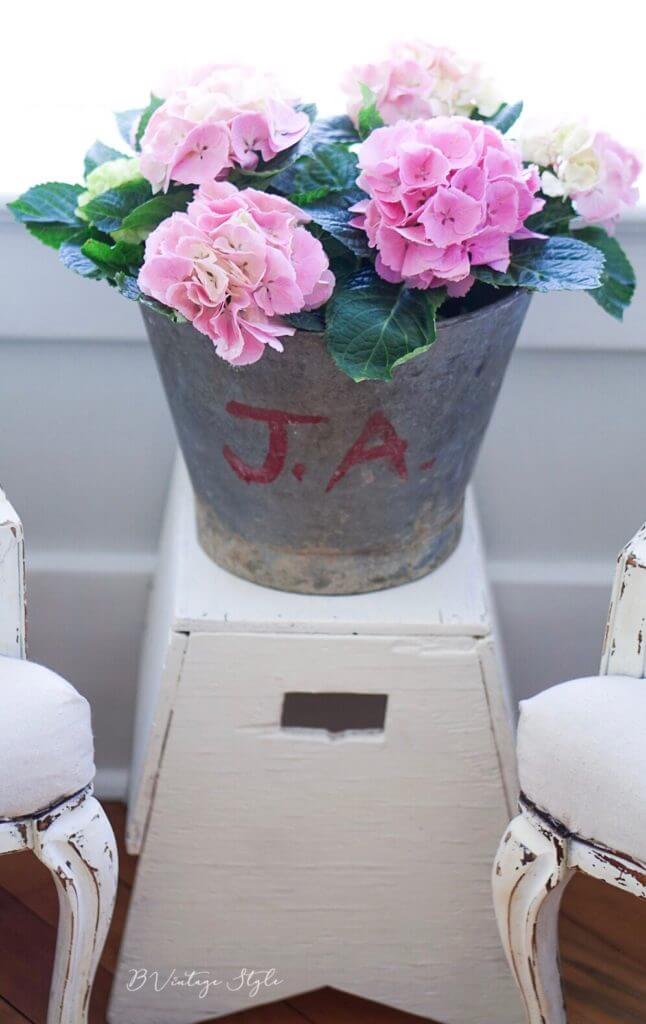
Bringing Hydrangeas Indoors
Don’t forget—hydrangea care isn’t just for the garden! Potted hydrangeas make stunning indoor plants, especially in spring. Keep them near a bright window, water daily with a tray system, and fertilize regularly.

More Flower Care Inspiration
If you love hydrangea care, you may also enjoy:
- How to Arrange Tulips in a Vase
- How to Make Homemade Cut Flower Food
- How to Dry and Use Rose Petals
- Drying Rose Petals and Roses
- How to Take Care of Roses in a Vase
- Peony Flower Arrangements
- Arranging a Lilac Bouquet
Hydrangea care takes a little patience, but with the right routine, you’ll be rewarded with some of the most breathtaking blooms. Whether you’re tending Annabelles in your garden or keeping a cheerful potted hydrangea in your kitchen, I promise these flowers are worth the effort.
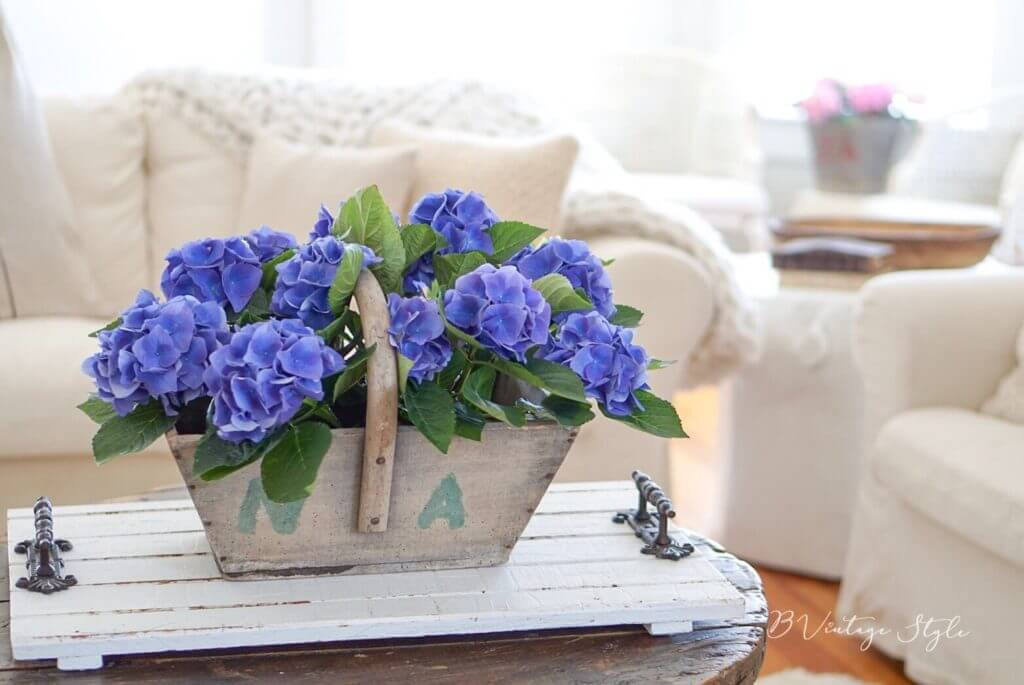
Do you have a favourite hydrangea variety or a tip for growing them in colder climates? I’d love to hear in the comments below!


Hi when you have cut hydrangeas in the house and you just start to notice them not looking so happy re cut and put stem in boiling water and leave over night, or until water has completely cooled. They come back just like new. Try it as it does work.
This is such an awesome tip!!!! I will try it for sure. Thank you ? ??
Thank you for very informative post! I’m moving to Edmonton frim Victoria and I want to continue to grow hydrangeas!
So happy you found it informative. Good luck in the new growing zone.