
This post may contain affiliate links. Please read our full Disclosure Policy.
These antique shopping tips are essential when you want to build a home with meaning, rather than just filling it with mass-produced trends. These 12 tips could help you find a piece you will treasure for decades rather than wandering a market for hours with nothing to show for it.
Antiques are something you collect slowly, over years of wandering markets, getting lost in little shops, and learning, sometimes the hard way, what to look for and what to walk away from.
How I Learned to Find the Good Stuff
My love for this started young, thrifting with my grandfather at the local auction mart. He had a way of picking up something old and worn, a piece of saddlery, something useful for the farm, and just knowing whether it was worth taking home. My grandma would come along too, and she would be the one quietly turning over old mixing bowls and hunting for salt and pepper shakers she could actually use. Between the two of them, they taught me that antiquing looks different for everyone, but the instinct for finding something good is the same. They taught me early on that something old and worn carries more weight than anything fresh off a shelf, and I have never forgotten that.
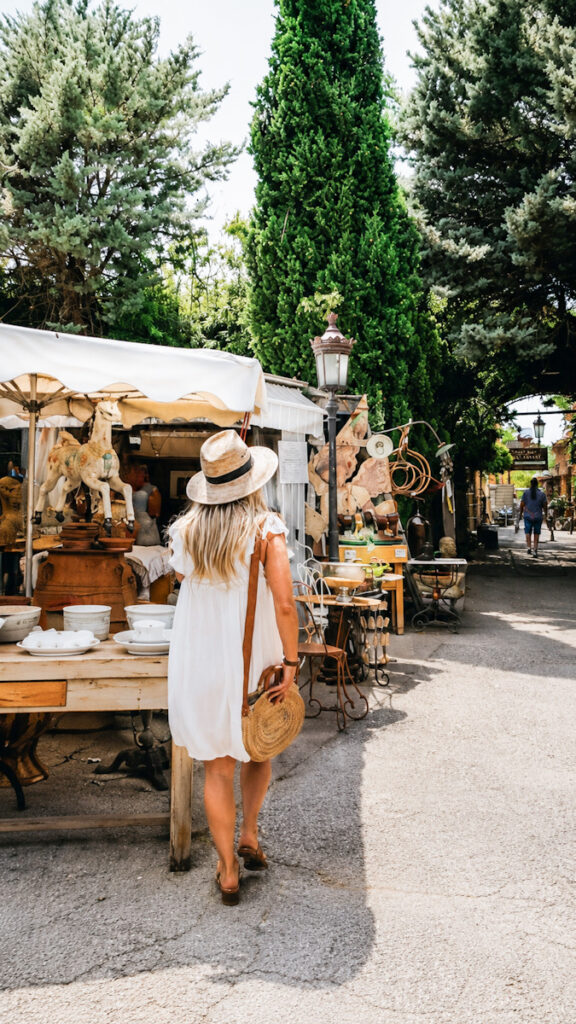
Since then, I have shopped vintage markets and antique brocantes throughout the south of France, wandered through little hole-in-the-wall shops in Italy and Scandinavia, and spent more afternoons than I can count hunting through antique malls, estate sales, and small-town shops right here at home.
But my experience goes beyond shopping. I spent years running an antique booth through B Vintage Style and later sourced and sold European antiques through my online shop, Vintage Society Co. So while I love the thrill of the hunt, I also know what goes on behind the scenes of the antique world. I’ve experienced antiques from both sides, as both the shopper and the seller, which has taught me what to look for, what to pass on, and how to spot pieces with real character and story.
Antique and Vintage Shopping
Whether you are hitting a flea market in New York City, browsing beautiful quaint shops on the West Coast, shopping a picker, or scrolling Marketplace at midnight, these 12 tips will help you everywhere. They are the things I wish someone had handed me at the very beginning, and they work no matter what kind of antiquing experience you are walking into.
Here are 12 simple, attainable antique shopping tips for finding vintage pieces that bring warmth and patina to your home.
(Don’t forget to grab your free Vintage Hunter’s Pocket Guide printable checklist at the bottom of this post before your next trip!)
Before You Go Antique Shopping: Preparation is Everything
1. Know Your Measurements (And Keep Them Handy)
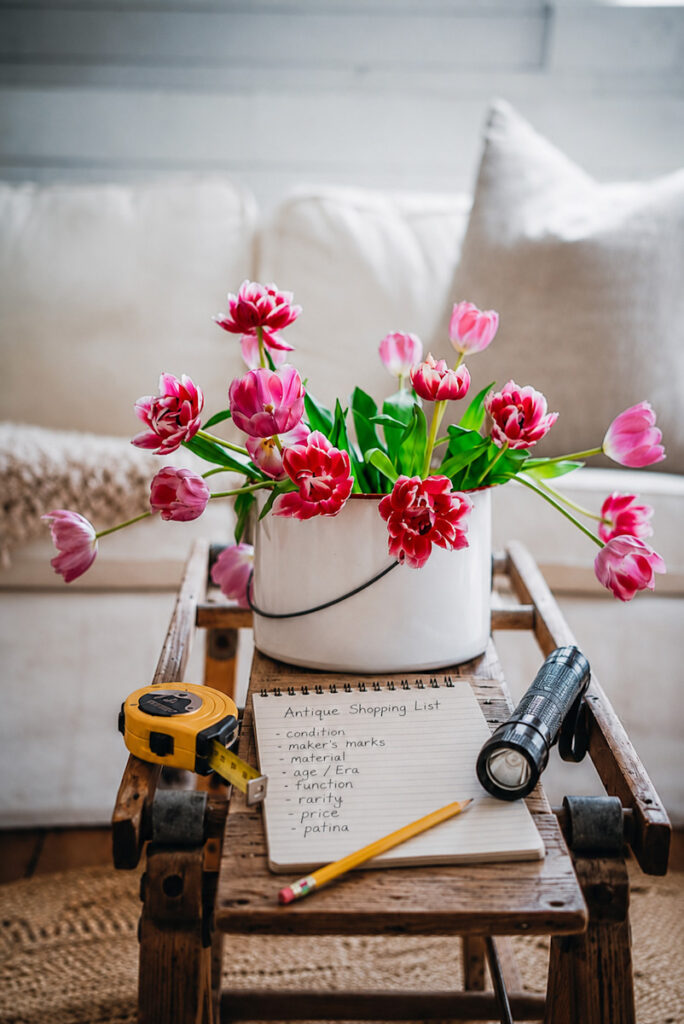
Carrying a tape measure and a written list of your room dimensions is the single most important thing you can do before you leave the house. There is nothing worse than falling in love with a stunning French armoire, only to realize you have no idea if it will clear your hallway corner. Keep a note on your phone with the dimensions of empty wall spaces, dining areas, and doorways. If you are planning a small kitchen remodel or a bathroom renovation, having those exact measurements on hand means you can confidently buy that vintage sink basin or kitchen hutch the moment you see it.
2. Pack the Essential Antiquing Toolkit
Every serious vintage shopper needs a small toolkit. Bring a magnet to test whether something is solid brass or copper versus just plated metal. Pack a small flashlight for dimly lit booths and back corners where the best treasures often hide. Finally, always bring cash, as it is your single best negotiating tool when dealing with vendors.
3. Define Your “Always Looking For” List
Keep a running list of the materials and pieces you are naturally drawn to. For me, it is always ironstone, European linens, copper pots, and old corbels. Having a list keeps your shopping intentional rather than impulsive. It aligns perfectly with the philosophy of Vintage Simplicity and choosing fewer, better things for your home. If you are trying to declutter and simplify your home, sticking to this list is the best way to ensure you only bring home pieces you truly love.
Navigating the Antique Store or Flea Market
4. Do the “Double Walk-Through”
When you arrive at a market or store, walk through the entire space once just to scan. Then, do a second pass to actually buy. The first walk-through can be overwhelming, especially in a large antique mall. The second pass is where your eyes adjust, and you start to spot the hidden gems you completely missed the first time. This is exactly how I found the perfect pieces for our laundry room decor and refresh!
5. Look Up, Look Down, Look Under
The best pieces are almost always tucked away. They might be underneath tables, stacked behind larger items, or hanging high on a wall. Slow down and look everywhere. Vendors often use smaller items to prop up larger displays, so don’t be afraid to gently peek behind the obvious pieces. You never know when you might find the perfect vintage vessel for your spring flower arrangements hiding under a table.
6. Inspect for True Craftsmanship
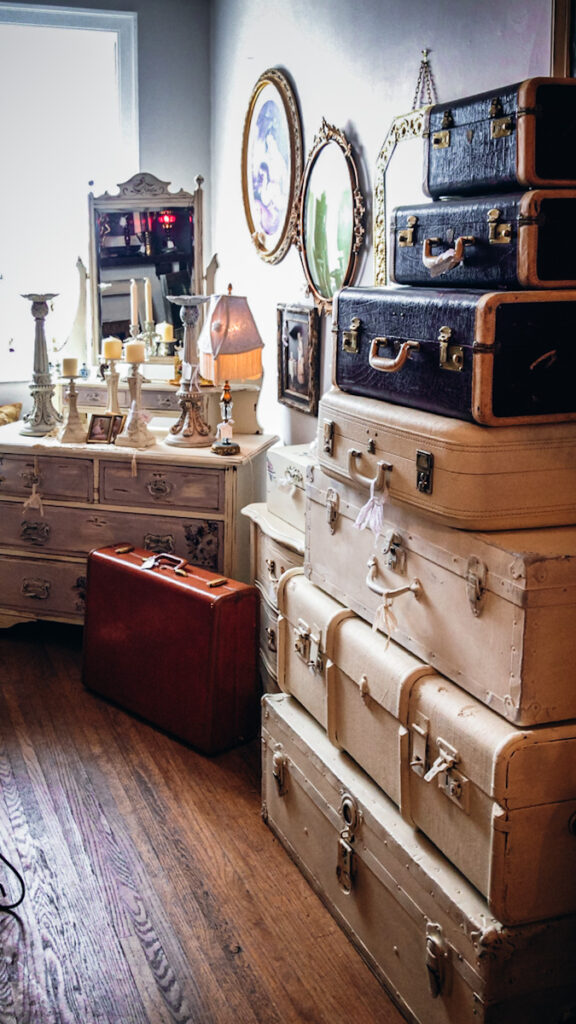
Learn simple ways to check quality on the spot. Look for dovetail joints on drawers, which indicate older, sturdier construction. Check the weight of a piece; solid wood will always feel substantial. Look for maker’s marks or stamps on the bottom of pottery and silver. Remember, patina is a beautiful feature, but structural damage is a different story. If you are looking for pieces to use in a Scandinavian farmhouse design, solid wood craftsmanship is essential.
7. See the Potential, Not the Polish
Learn to look past bad upholstery, a terrible paint job, or a dusty surface to see the beautiful bones of a piece. When we took on our $25,000 Victorian renovation, it was all about seeing what a space could become, not what it currently was. The same applies to furniture. A solid wood dresser with great lines can always be stripped and refinished or given a fresh coat of paint. If you’ve never done it before, check out my beginners guide to painting furniture.
The Art of Buying and Negotiating
8. How to Ask for a Discount Respectfully
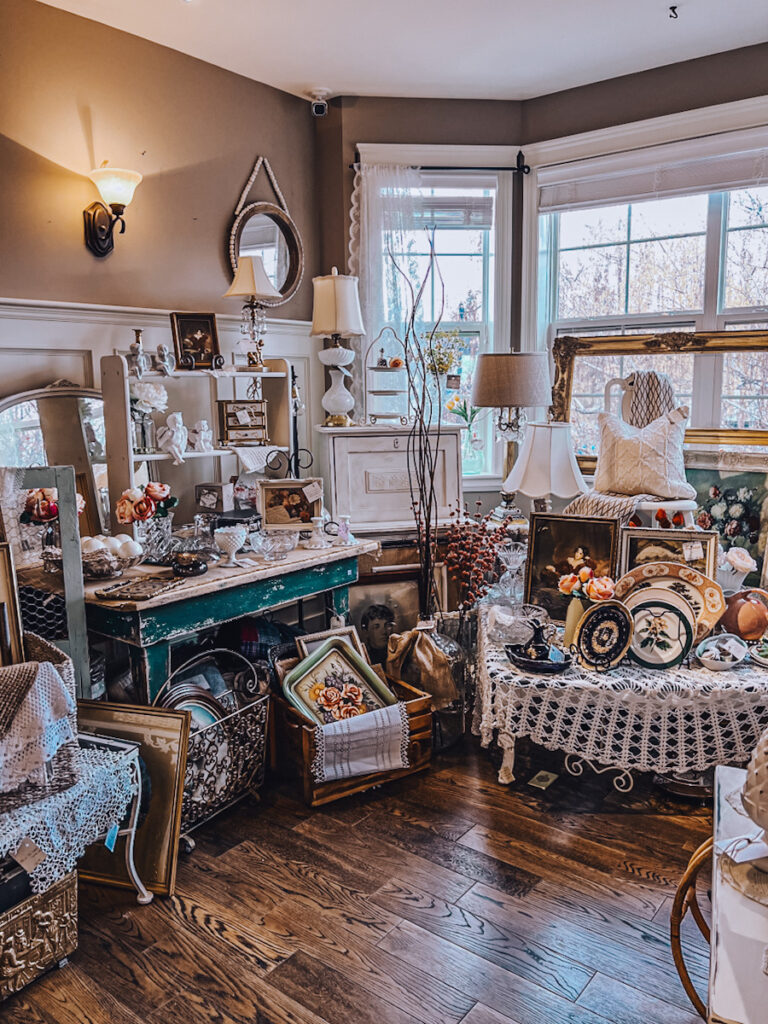
Negotiating is part of the fun, but it should always be done respectfully and politely. A simple script is to ask, “Is this your best price?” or “Would you consider taking [amount] for this?” Having owned an antique booth myself, I can tell you there’s often much more behind the price tag than people realize. Vendors are covering booth rent, commissions, travel, sourcing, and hours of work long before they ever pay themselves for their time. As a general rule of thumb, I don’t haggle on items under $50 and try to be mindful of the fact that many small antique businesses are simply people trying to make a living doing something they love.
9. Build Relationships with Vendors
The vendors who know your name are the ones who will call you when a piece comes in that is exactly what you have been looking for. Chat with shop owners, bring photos of what you are searching for, and be a regular. Building these relationships is one of the most rewarding parts of the antique community.
10. If You Can’t Stop Thinking About It, Buy It
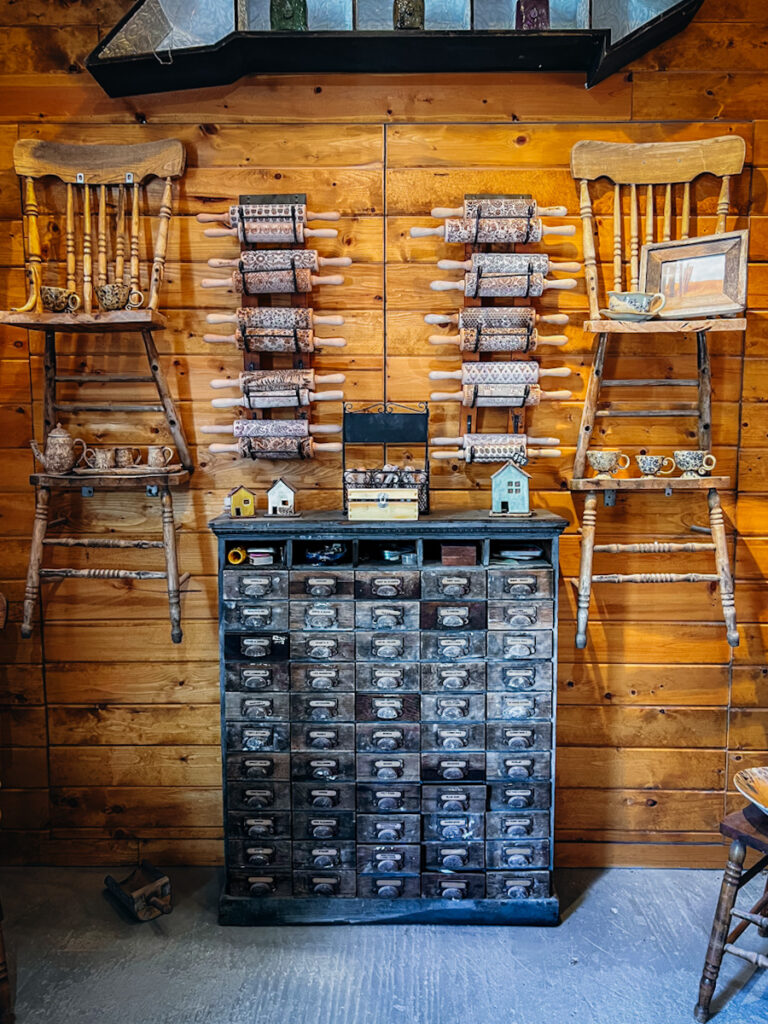
The antique shopper’s greatest regret is leaving a one-of-a-kind piece behind and returning the next day to find it gone. Vintage finds are not restocked. If a piece has a story, fits your budget, and belongs in your home, trust that instinct and take it with you. It’s how I’ve built my collection of vintage home decor over the years.
Shopping for Vintage Finds Online
11. Master the Art of Search Terms
When searching places like Facebook Marketplace, Etsy, or eBay, generic terms usually won’t get you very far. Instead, try using specific material, style, or item names like “burl wood,” “ironstone,” “French linen,” or “transferware.” The more specific you are, the better your chances of finding the good stuff. One of my favourite tricks is to save searches on these platforms so you’re notified when new items pop up. Sometimes the best vintage finds take patience, but eventually that perfect piece has a funny way of showing up when you least expect it.
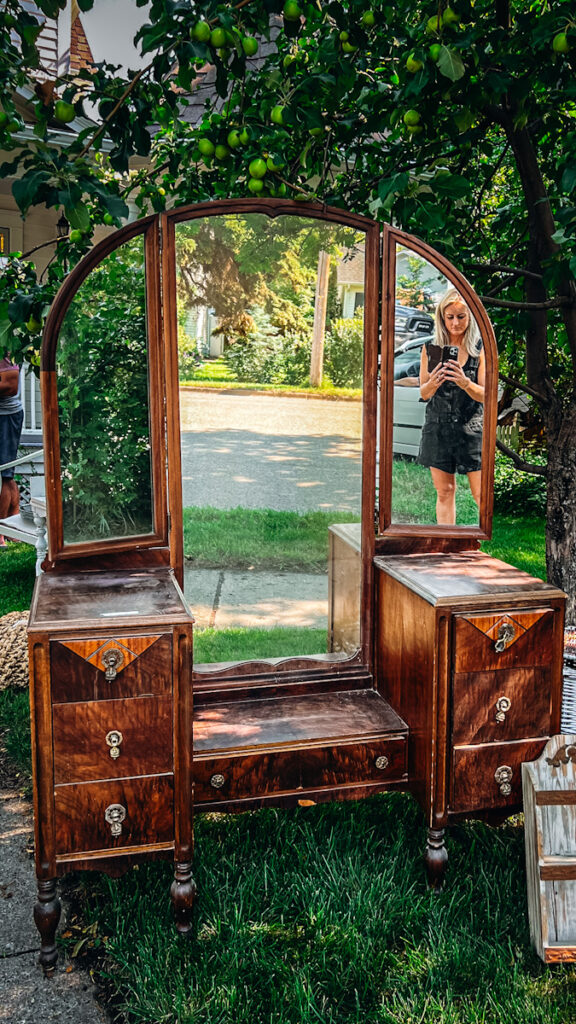
12. Always Ask for Additional Photos
When purchasing online, always request photos of the back, the joints, any damage, and the maker’s mark before committing. A trustworthy seller will always be happy to send them. This ensures you know exactly what you are getting and prevents any disappointing surprises when the item arrives.
I have also compiled my favorite antique and vintage items for all of you to shop in the BVS Shop! Head over and see the beautiful curated selection of unique items.
Building a Home with Meaning, One Piece at a Time
Antique shopping is about curating a home slowly and intentionally. It is about finding pieces that bring a sense of history and character into your daily life. For both my tiny house cabin and my 1903 Victorian home, it took me years of collecting, sourcing, and scouring for the perfect pieces. It wasn’t done overnight.
I used contacts I had with antique dealers, auction houses, and local pickers that I knew. I also relied heavily on Uniquities, who specializes in bringing antiques over from Europe (they are my absolute favorite antique shop!), and slowly sourced exactly what I needed. Sometimes I would find pieces when we were on family vacations, and I would trudge them back from different parts of the U.S. or provinces in Alberta.
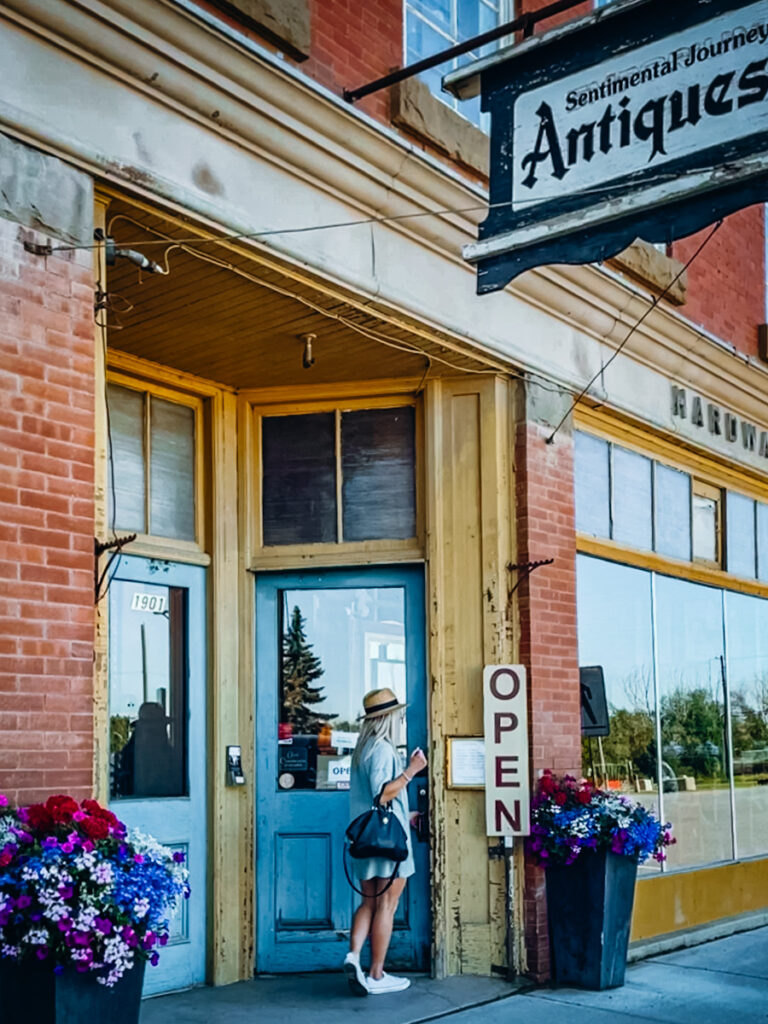
The biggest key is that it takes time and patience to curate the perfect space. A home should feel lived-in and collected, not staged.
If you want to start building your own collected home, be sure to download the free Vintage Hunter’s Pocket Guide below. It includes a packing list, a quick quality checklist, and a space for your room measurements.
I would love to hear from you, what is your absolute favorite vintage find? Leave a comment below and let’s chat! And if you want more guidance on intentional decorating, check out my Making Space e-book.
More Antique & Vintage